


Physical Therapy
Pediatric Physical Therapy
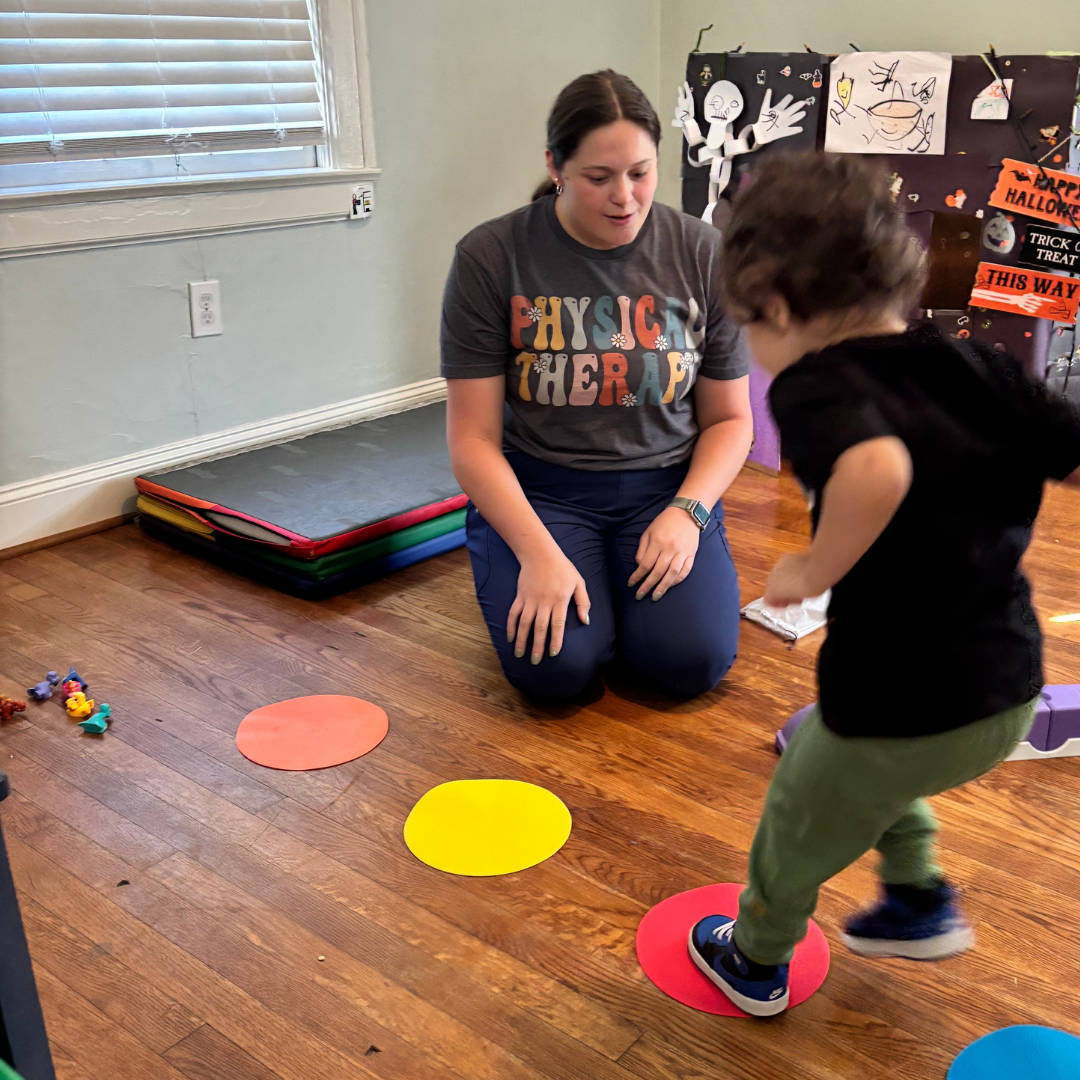
Our pediatric physical therapists help children build strength, coordination, balance, and mobility to reach important developmental milestones and improve their overall function for daily activities. Physical therapy focuses on how your child moves, walks, runs, jumps, maintains posture, and navigates their environment safely and confidently. Through skilled intervention and caregiver education, our Physical Therapy program supports your child in developing the gross motor skills and physical abilities needed for success at home, school, and in the community. Our physical therapists can help your child:
 Reach Early milestones like rolling, sitting, crawling, and walking
 Improve head control and core strength
 Build balance and coordination
 Address delays in gross motor development
 Treat torticollis and head shape concerns
 Improve muscle tone and strength
 Address toe walking and gait concerns
 Increase confidence through play-based therapy
 Support recovery after injury or surgery
Frequently Asked
Questions
Get the Answers
Common concerns include:
Delays in rolling, sitting, crawling, or walking
Difficulty keeping up with peers physically
Frequent falls or clumsiness
Preference for one side of the body
Head tilt or flat spots on the head (torticollis or plagiocephaly)
Stiff or floppy muscle tone
Toe walking beyond toddler years
Trouble climbing stairs, jumping, or running
Difficulty transitioning between positions (lying to sitting, sitting to standing)
Asymmetrical movements or favoring one arm or leg
Concerns from your pediatrician about motor development
Physical therapy focuses on how your child moves. Pediatric physical therapists help children build strength, balance, coordination, and mobility so they can reach gross motor milestones such as rolling, crawling, walking, running, and jumping.
Occupational therapy focuses on how your child functions in daily activities. Occupational therapists help children develop fine motor skills, sensory processing, self-care skills (like dressing and feeding), attention, and play skills.
While both therapies support your child’s development, physical therapy emphasizes large body movements and mobility, while occupational therapy focuses on daily living skills and sensory regulation. In many cases, children may benefit from both services working together.
Pediatric physical therapy sessions are play-based and tailored to your child’s individual needs and goals. After an evaluation, your therapist creates a personalized plan to help improve strength, balance, coordination, and mobility. Sessions may include guided play activities such as climbing, balance exercises, stretching, or practicing developmental milestones like sitting, standing, and walking. Parents and caregivers are actively involved, receiving education and simple home strategies to support continued progress outside of therapy.